
THE LITTLE DETAILS
Timeless luxury. Effortless style. While our exquisite products may appear simple, each piece is the result of hours of meticulous craftsmanship. In today’s digital age, it’s easy to overlook the skill and personal touches involved in creating the highest quality clothing and accessories. Exactly how many hands does it take to make one of our products? Countless skilled artisans contribute their expertise, from sourcing materials to the final touches, ensuring every piece is crafted to perfection.
Our experienced designers draw inspiration from around the world to create elegant, practical, and durable designs. By blending contemporary creations with elements from the past, we often reimagine patterns from our archives with a modern twist. Using the finest fibers available, we bring these designs to life, with as many as 33 skilled hands contributing to each product before it becomes a finished piece, ready for you to take home and enjoy.
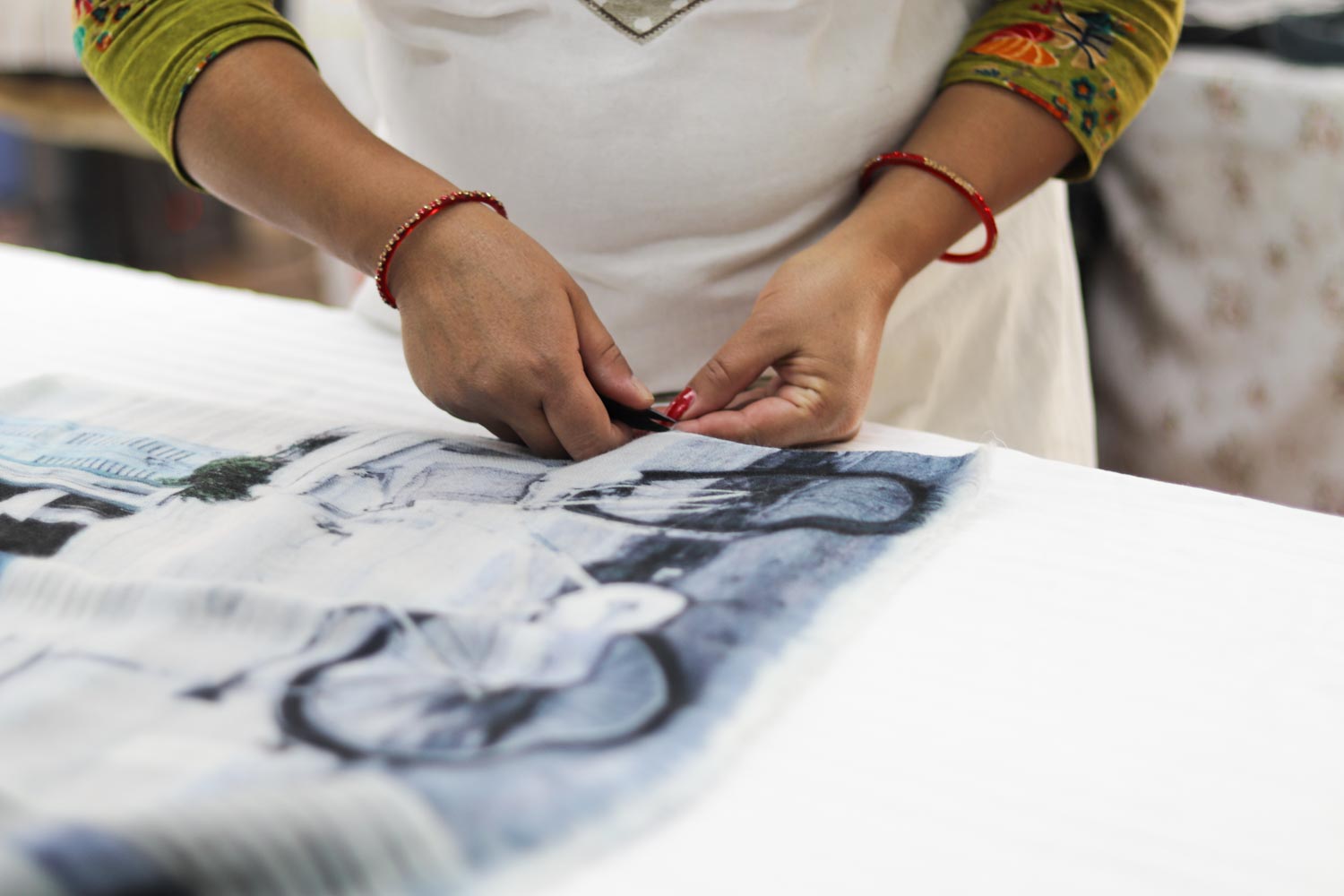
From fiber selection to dyeing, carding, weaving, finishing, and packaging, as many as 33 skilled hands contribute to the making of a single scarf, rug, or stole, while 32 to 37 people are involved in crafting a blanket. The devil, as they say, is in the detail.
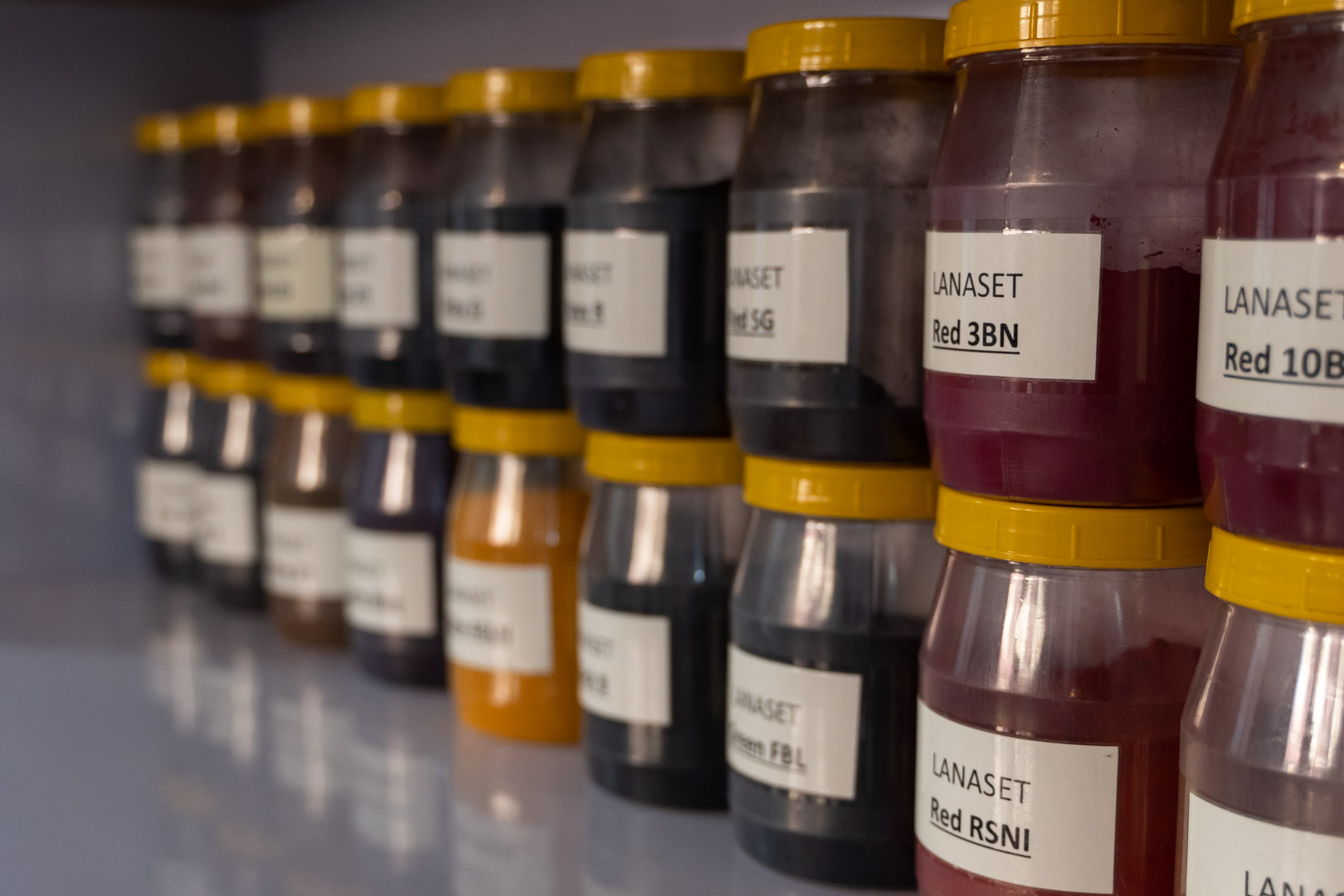
Our Merino Wool fibers are carefully sourced from Australia, and our Cashmere comes from China, Mongolia, and Afghanistan. Each fiber undergoes a thorough quality check before reaching our wool store, ensuring that by the time they are dyed, four people have already worked with them. With a palette of over 7,000 colors, our dye house team creates fresh, innovative recipes each season. After dyeing, the fibers are dried and sent to the teasing department to be blended and oiled. They are then carded, spun, twisted, and wound, passing through the hands of at least 13 people before entering the yarn store, ensuring that the highest standards of quality and craftsmanship are maintained throughout the process.
In the creation of our rugs, both weaving and hand-knotting are employed to produce distinct textures and patterns that reflect the timeless artistry of Nepalese craftsmanship. Each method requires immense skill, patience, and attention to detail.
In weaving, the yarns are interlaced on a loom, creating a flat surface with intricate designs that are both durable and elegant. This process allows for a variety of textures, from smooth and refined to more textured finishes. Hand-knotting, on the other hand, is a meticulous process where each knot is tied individually by skilled artisans, creating rugs with rich depth and texture. The result is a thicker, more luxurious feel with intricate patterns that tell a story of craftsmanship and tradition.
Both methods demand a significant amount of time and expertise, with each rug passing through multiple hands before it’s complete. From the careful preparation of the yarn to the final touch of cutting and cleaning, our artisans’ hands imbue every piece with precision and artistry, ensuring a product that stands the test of time.
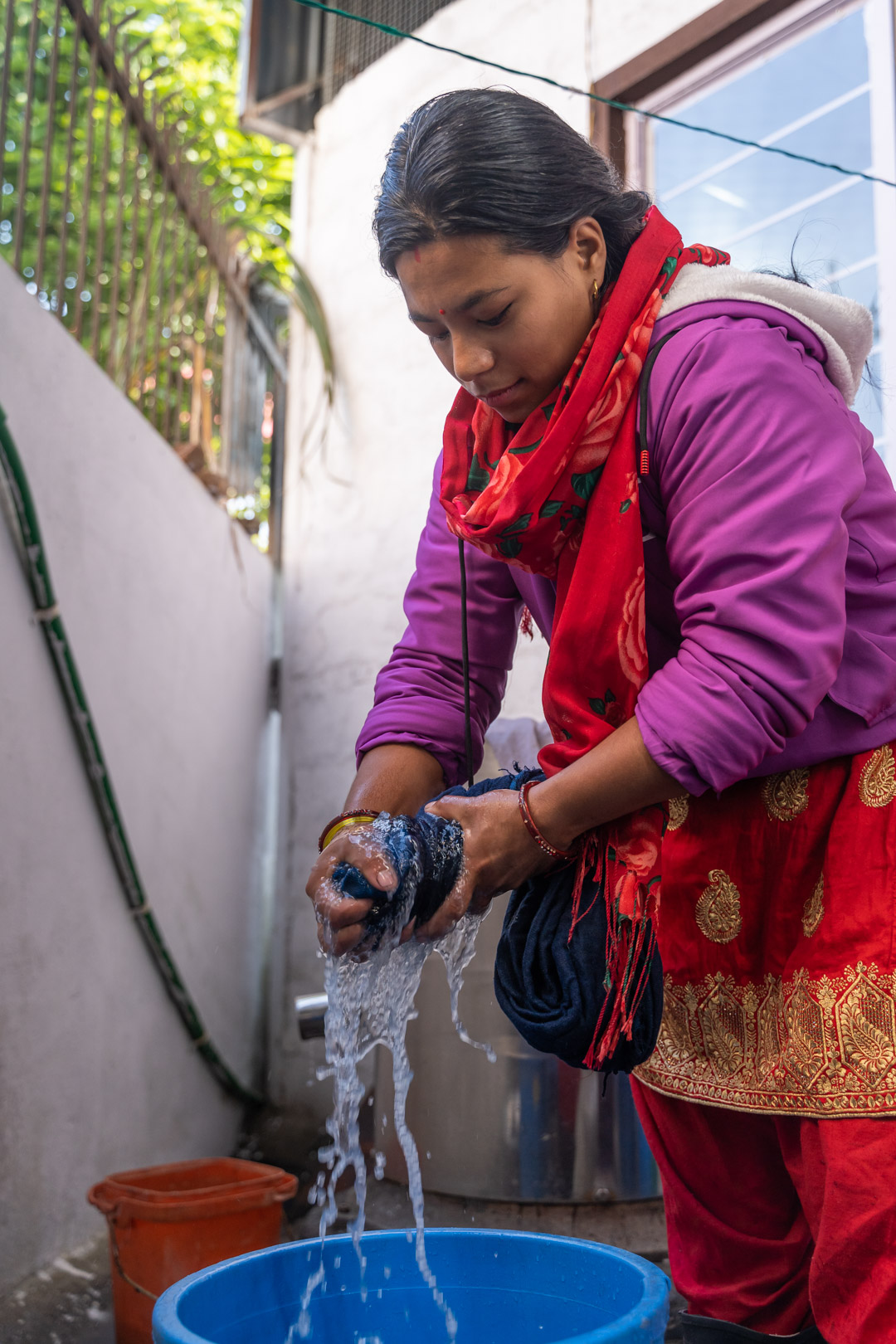
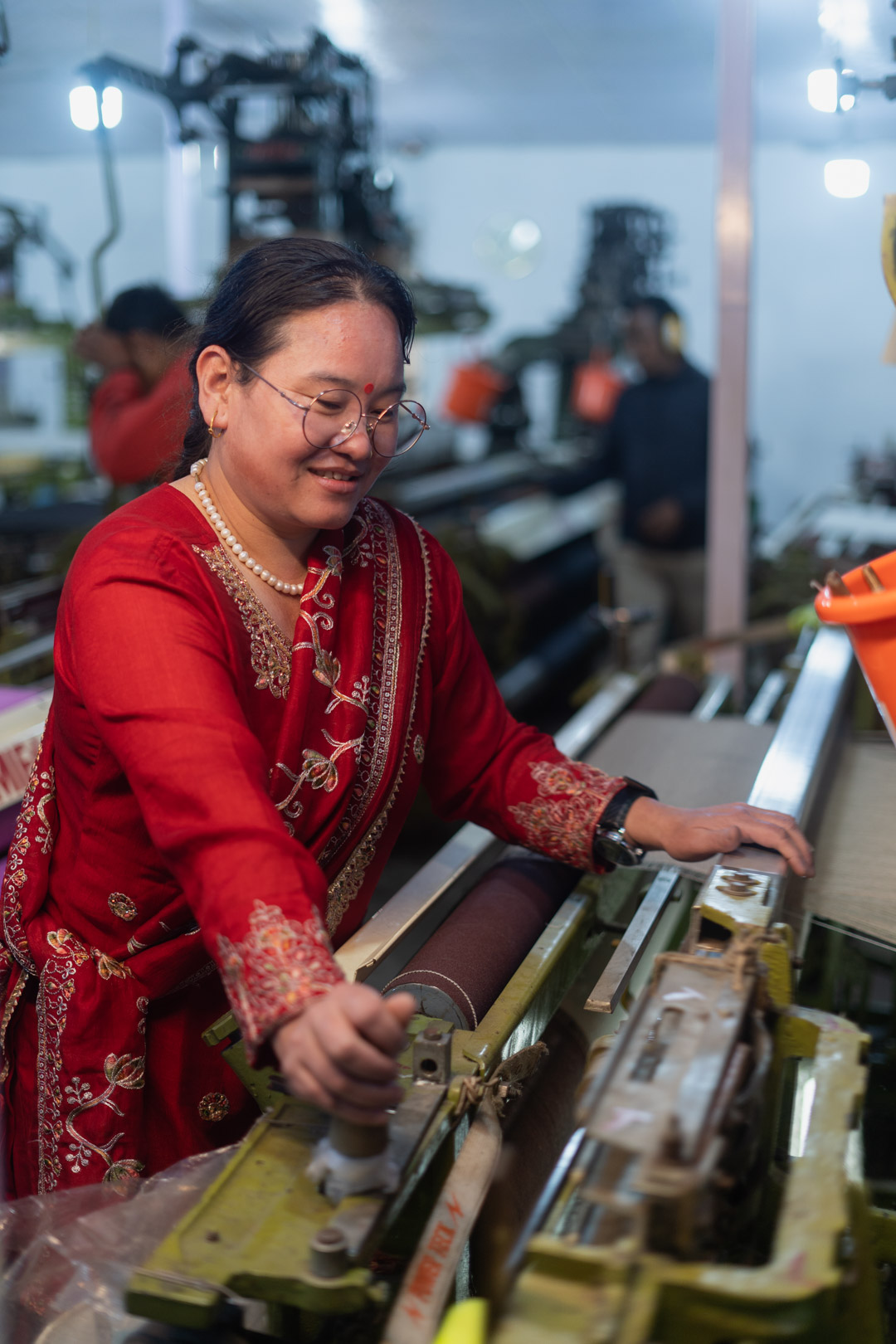
While we embrace innovative technologies, which enables us to create entirely seamless clothing, many of the techniques we use remain deeply rooted in tradition. These skills, passed down through generations, are still carried out by hand, ensuring the highest standards of craftsmanship. In a world dominated by fast fashion, we take pride in taking our time—creating distinctive designs of exceptional quality that are made to last.
How many hands does it take to make one of our products? Perhaps a few more than you might imagine. Each piece is the result of countless hours of skilled work, with many artisans contributing their expertise at every stage, from fiber selection to the final touch. This careful, hands-on approach ensures that every product is not only unique but also crafted with attention to detail and built to endure for years.